Balayage, highlights, and foils get used as if they were three competing brands of the same product. They are not. Two of them are techniques and one is a tool, and untangling that sentence will save you confusion at every color consultation from here on. Highlights describe the result: strands lighter than the base. Foils are a method for making highlights. Balayage is a different method for making them, one that skips the foil entirely.
Here is what each one actually involves, how each grows out, and the parts you can handle yourself versus the parts that belong in a salon chair in York.
The three terms, in plain language
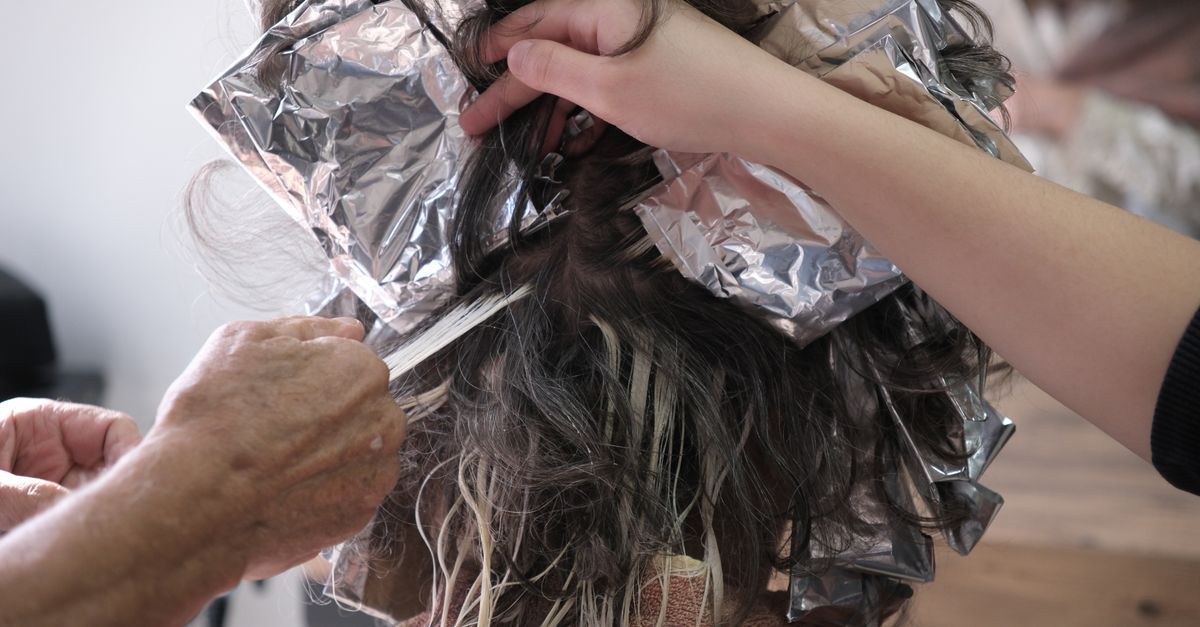
Foils are sections of hair painted with lightener, folded into aluminum foil, and left to process. The foil isolates each section, keeps the lightener from touching neighboring hair, and holds in warmth, which helps the lightener lift more. Foil highlights can be fine and woven or bold and chunked, and they usually start close to the root. The result is even, controlled, and capable of the lightest lift of the three approaches.
Balayage is French for sweeping, and it is exactly that: lightener painted freehand onto the surface of sections of hair, usually in a pattern that mimics how the sun lightens hair, brighter around the face and through the ends, softer at the root. Without foil enclosing it, balayage lightener dries in the open air and generally lifts more gently, so it suits people who want a few shades of lift rather than a dramatic jump.
Highlights is the umbrella word. Foil highlights, balayage highlights, and babylights, which are simply very fine foil highlights, all live under it. When someone says they want highlights, the real question is which method gets them the look in their photo.
Grow-out is where the methods really differ
Foil highlights placed at the root grow out with a visible line of demarcation: your natural color emerges in a band, and after six to ten weeks most people want a refresh. Balayage grows out softly because the lightest pieces sit lower and the root area starts diffused, so the same person can often go three to four months between appointments and the regrowth reads as intentional. That difference in upkeep, more than the first-day look, is what should drive the choice for most people. Be honest about how often you will actually sit in the chair.
What you can do yourself, and where the line is
- Do your own research with your own hair. Gather photos of the finished look, not the technique name. Two people asking for balayage with different photos want two different things, and the photo is what transfers the idea accurately.
- Do your own honesty check on upkeep. Count how often you realistically book. If twice a year is the truth, soft grow-out methods will serve you better than root-to-tip foils no matter how good foils look on day one.
- Do maintain the result at home. Color-safe washing, heat protection, and a gloss or toner refresh between big appointments are all home or short-visit jobs that keep either method looking right longer.
- Stop at anything involving lightener placement. Where the light pieces start, how much lift each section gets, and how sections are isolated is the skilled core of both methods. Overlapping lightener on previously lightened hair is the classic home-color breakage story.
- Stop at judging your own porosity and history. Prior color, even faded color from a year ago, changes how lightener behaves. A consultation at a salon like Salon 803 includes strand history for this reason, and guessing wrong is expensive to fix.
Matching method to hair, briefly
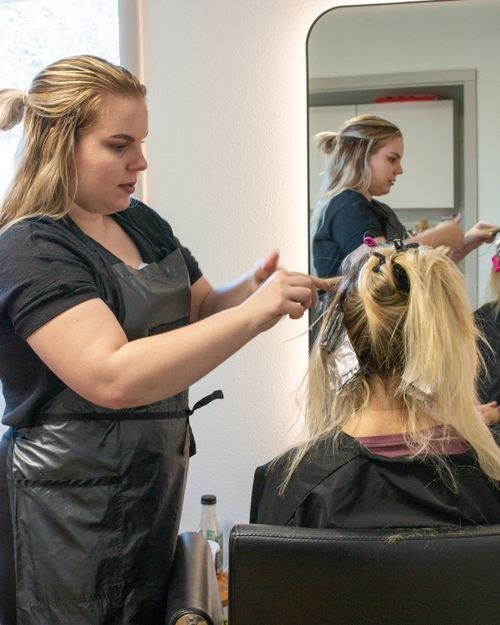
Very dark hair wanting a big lift usually needs foils and possibly more than one session. Fine hair often suits finer weaves in foil, which blend best. Hair worn mostly curly tends to flatter painted techniques, since curls break up placement lines anyway. None of these are rules, but they are the patterns stylists start from, and knowing them makes the consultation a conversation instead of a vocabulary test.
Common questions
Is balayage less damaging than foils?
It can be, because it usually lifts fewer strands and lifts them less, and it skips the root area. But lightener is lightener, and heavily lifted balayage on fragile hair is still a chemical process that needs care.
Can foils and balayage be combined?
Yes, and stylists do it often, sometimes called foilyage: painted placement with foil used where extra lift or control is wanted. The combination is chosen to match a specific photo or grow-out goal.
Which lasts longer between appointments?
Balayage, for most people, because the soft root placement hides regrowth. Foil highlights to the root usually need attention in six to ten weeks before the demarcation line bothers most wearers.
Photos in this guide are representative stock images.
← All guides from Salon 803← Back to Salon 803