Nobody books a color correction for fun. You book one because the hair on your head is not the hair you asked for: there is a dark band in the middle, the ends went orange, or three rounds of box dye have built a color that no single new shade can cover evenly. The frustrating part comes next, when a stylist in York tells you the fix will take more than one visit. That is rarely a sales tactic. It is chemistry, and this checklist explains what the stylist is looking at, in the order they look at it.
Hair can only be pushed so far in one session before it breaks. A correction is the art of sequencing: remove what can be removed, even out what remains, protect the hair's strength at each stage, and land on the target color in the session where the hair can actually hold it.
Why one visit has hard limits
Lightener and color remover work on hair that has a damage budget. Every chemical pass spends some of that budget, and previously colored hair has already spent part of it before you sit down. Push past the budget in a single marathon session and the hair may reach the right shade while losing the strength to stay on your head, breaking off in the following weeks. Staging the work lets the hair recover between passes, lets the stylist see how each stage actually settled, and keeps an exit open if a stage behaves unexpectedly, which layered color histories often do.
The color correction checklist, in the order a stylist works it
- Full color history: Pass if you can list everything on your hair for the past two years, including box dye and toners. Fail if there are gaps, because hidden layers are the main cause of corrections going sideways mid-process.
- Band check: Pass if the color is one even tone from root to end. Fail if there are visible bands, stripes of darker or warmer color at different heights, since each band needs its own treatment plan.
- Porosity check: Pass if the hair absorbs water and product evenly. Fail if the ends grab color instantly and go dark or muddy, which is over-porous hair and changes how every formula is mixed.
- Strength check: Pass if a wet strand stretches slightly and springs back. Fail if it stretches and stays stretched or snaps, because that hair should not be lightened again until it recovers.
- Target realism: Pass if the goal color is reachable from the current base in stages. Fail if the target is several shades lighter than a dark box-dye base in one step, which is a physical impossibility, not a skill gap.
- Session plan: Pass if you leave the consultation knowing what each visit will do and roughly what the hair will look like in between. Fail if anyone promises the final photo result at the end of visit one, sight unseen.
- Home care between sessions: Pass if you have a conditioning plan and a heat plan for the in-between weeks. Fail if the plan is to keep heat styling daily on hair mid-correction, which spends the budget the stylist is trying to save.
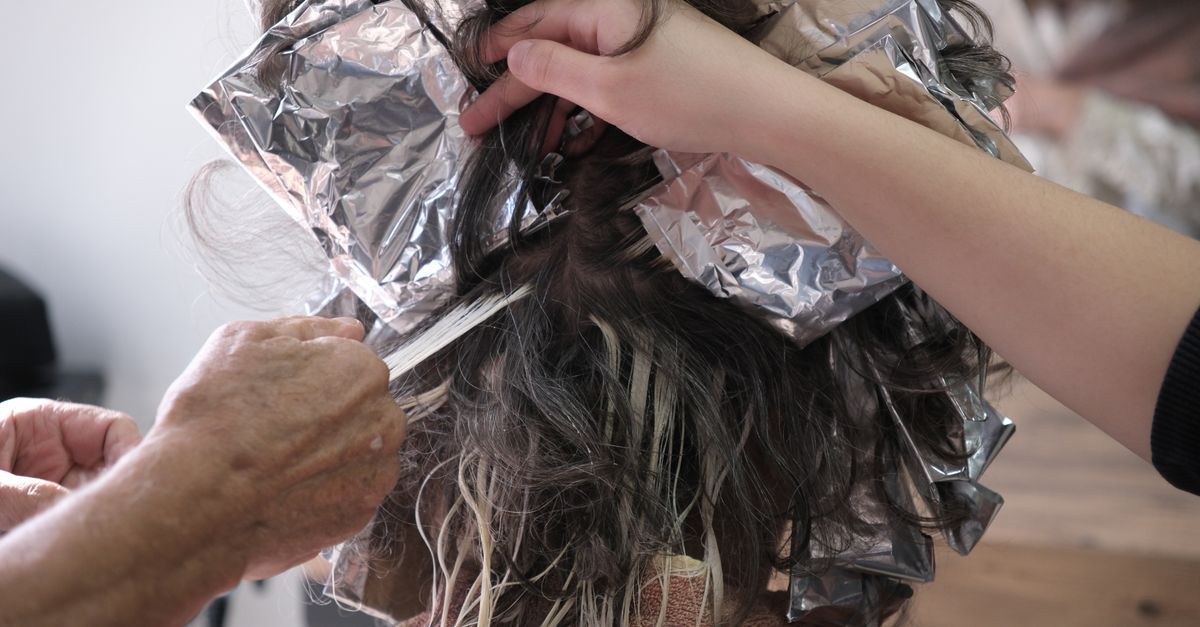
The in-between look is part of the plan
Between correction sessions, hair is usually a workable intermediate color, not the disaster you came in with and not yet the final target. Stylists plan that intermediate shade deliberately: warm stages often get neutralized enough to be wearable in public, and most clients go to work and live normally through the process. Ask at the consultation what your hair will look like after visit one specifically. A clear answer to that question is a good sign you are in competent hands.

What you can do to shorten the process
Be completely honest about the history, including the box dye you used once and forgot about. Bring the target photo and a photo of your hair in natural light. In the weeks before a correction, condition consistently and ease off daily high heat, so the hair arrives with as much of its strength budget intact as possible. At Salon 803, as anywhere, the clients whose corrections go fastest are the ones whose hair history holds no surprises.
Common questions
How many sessions does a correction usually take?
Two to three is common for layered box dye or strong banding, though mild corrections sometimes finish in one long visit. The honest answer depends on your hair's history and strength, which is why consultations come first.
Why can't the stylist just dye over the problem?
Color does not lift color. New dye over uneven layers leaves the bands visible under the new shade and often goes muddy where the hair is porous. The uneven base has to be addressed before the final color can sit evenly.
Will my hair be damaged by a correction?
Some stress is unavoidable when removing and redoing color, which is exactly why the work is staged. Spreading sessions out and conditioning between them keeps the total damage far lower than forcing the whole fix into one day.
Photos in this guide are representative stock images.
← All guides from Salon 803← Back to Salon 803