Going gray on purpose is a decision more people in York are making out loud instead of drifting into. The coloring stops, the natural silver comes through, and the hair eventually becomes a color you chose rather than one you were hiding. The destination is genuinely low-maintenance. The road there, roughly the first year, is not, and most of the disappointment people feel with the process comes from nobody describing that road honestly in advance.
There are several real routes from colored hair to natural gray, and they differ mainly in how the in-between months look and how much salon help they take. Picking a route is picking which version of the middle you are willing to live with.
Why the transition looks the way it does
Gray hair is not actually gray at first; it is a mix of your remaining pigmented strands and unpigmented white ones, and the blend reads as silver or salt-and-pepper. Most people are grayer at the front and temples than at the back, which is why the regrowth line looks so stark against a dark dyed length. The dyed portion also ages badly during a grow-out: old color fades warm and brassy, while natural gray is cool-toned, so the contrast between the two halves gets louder over time even when the line itself is not moving fast.
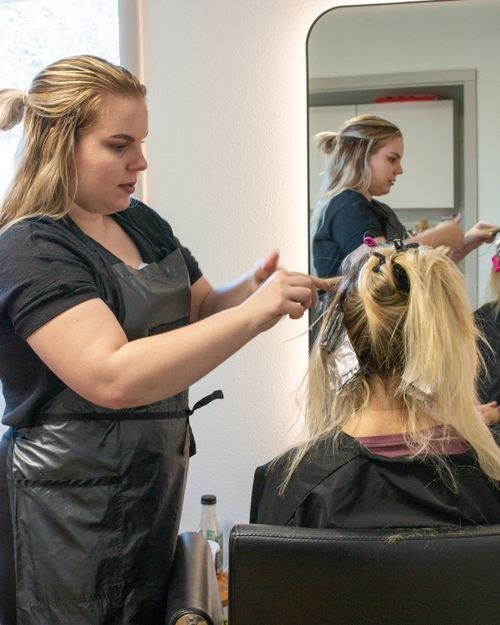
The routes, side by side
| Route | How it works | The in-between months | Best for |
|---|---|---|---|
| Cold turkey grow-out | Stop coloring and let the line grow down | A visible demarcation line for many months, softening as it descends | Patience, shorter hair, and anyone who wants zero further chemical cost to the hair |
| Blending with highlights and lowlights | Stylist adds silver-toned highlights and ashy lowlights to break up the line and match the gray pattern | The line dissolves into a blend; appointments continue but get less frequent | Longer hair and anyone who wants the transition to look intentional at work and in photos |
| Gray transformation appointment | One or more long sessions lift the dyed color out and tone the whole head to match the natural gray | Shortest middle phase, but the sessions are long and the hair takes a chemical hit | People who want it done, whose hair is strong enough, and whose dyed color is light enough to lift |
| The short cut reset | Cut the hair short enough that most of the dyed length comes off, then grow out the rest | A brief transition measured in a few months | Anyone already considering a shorter style; it is the fastest honest route available |
Living through the middle
Whatever route you pick, three habits carry the transition. First, keep the dyed length toned cool, because warm faded ends against cool gray roots are what make a grow-out look neglected rather than deliberate; a gloss can manage that contrast. Second, condition more than you used to. Unpigmented strands have a different texture, often wirier and drier, and gray hair yellows from sun, heat, and mineral buildup, so purple shampoo on a rotation and heat protection both earn their place. Third, keep the cut current. A sharp, maintained shape signals intention more than any product does.
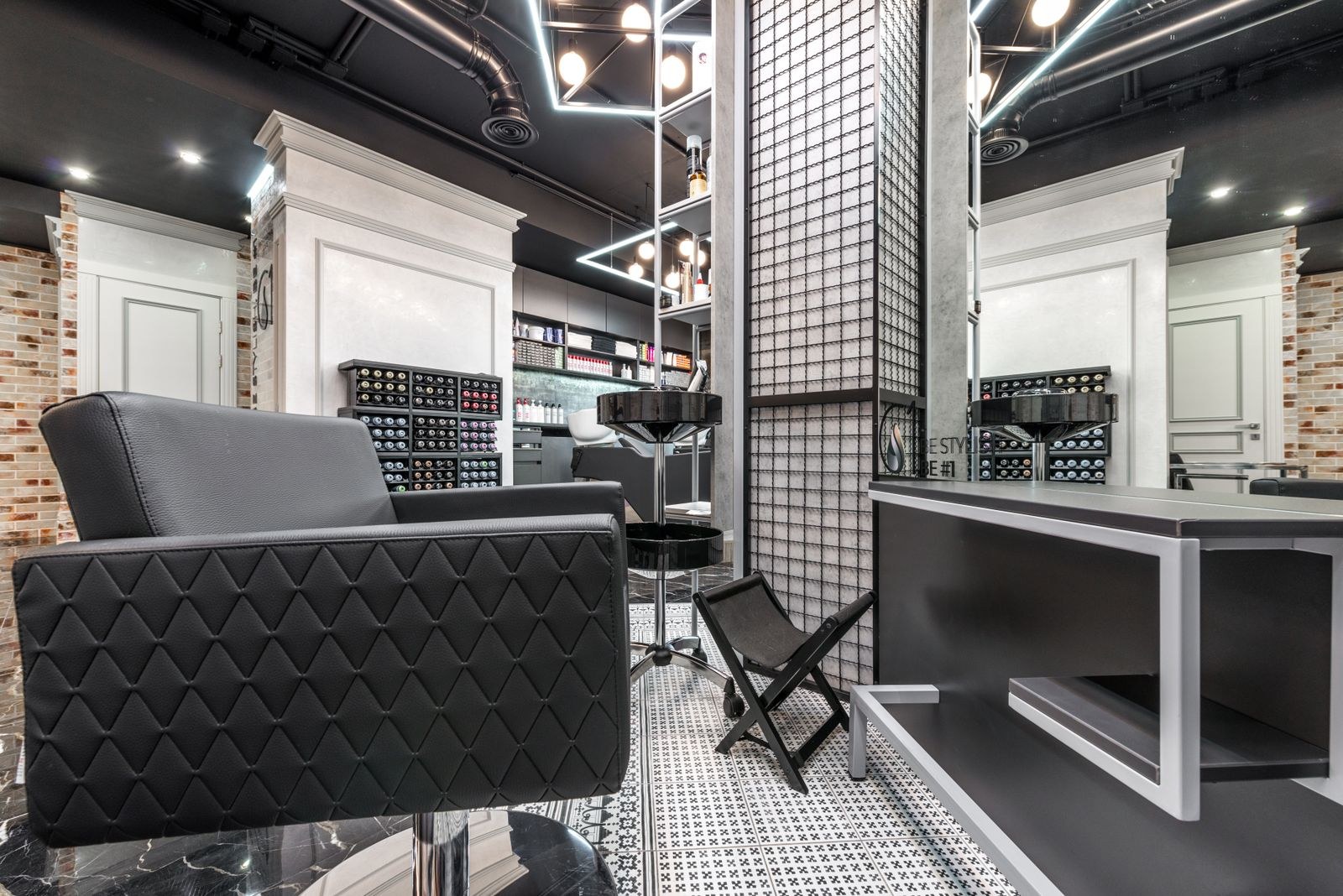
Setting the plan with a stylist
A good transition starts with an honest look at your gray pattern, which a stylist can assess from a few weeks of regrowth, your current color's depth, and your hair's strength. At Salon 803, that conversation covers which route fits your hair and your tolerance for the middle phase, and roughly how the appointments space out. The plan can also change mid-stream: plenty of people start with blending and switch to a short cut once they see the silver and like it.
The mental side of the middle months
The hardest part of a grow-out is rarely technical. It is the stretch where strangers read the line as neglect while you know it is a plan. Two things help: keeping everything else about the hair deliberate, with a current cut and cared-for ends, and remembering that the front grows in grayest first, so the most visible section is also the first to finish. Most people find the halfway point, when the silver reaches roughly ear level, is where the look tips from transition to style.
Common questions
How long does growing out gray take?
At roughly half an inch of growth a month, shoulder-length hair takes around two years to grow fully out unassisted. Blending, a transformation, or a shorter cut all shorten the visible transition considerably.
Why does my gray hair look yellow?
Unpigmented hair picks up yellow tones from sun, heat styling, minerals in water, and smoke. Purple shampoo used occasionally, heat protection, and a clarifying wash on rotation usually manage it.
Is gray hair coarser than my old hair?
It often feels that way. Gray strands typically have a different cuticle structure and less natural oil reaches them, so they read as wiry and dry. Richer conditioning and gentle handling make a real difference.
Photos in this guide are representative stock images.
← All guides from Salon 803← Back to Salon 803